Imagine you order a T-shirt online. A few days later, a box lands on your porch. You pull off the tape, and inside is a shirt wrapped in soft paper, a small card with a doodle on it, and a sticker shaped like a lightning bolt. Before you even try the shirt on, you are smiling.
That smile was planned. Packaging is the first thing a customer touches, and it can make a simple shirt feel like a present. The good news is that you do not need a big budget or a design degree. In this post, you will learn easy, low-cost ways to package clothes so people remember your brand.
Think Of Packaging As A Handshake
When you meet someone new, the handshake tells you a lot. A firm, friendly one feels good. A limp, rushed one feels odd. Packaging works the same way. It is the handshake between your brand and the buyer.
A crumpled plastic bag says, “We did not have time.” A neat box with a clear logo says, “We were happy to make this for you.” Both could hold the same hoodie, but only one makes the customer feel cared for.
Before you buy anything, write down three words you want people to feel when they open your package. Maybe “cozy,” “bold,” and “fun.” Keep them nearby, because every choice you make next should match them.
Choose The Right Outer Box Or Bag
Start with the outside. It protects the clothes and shows your brand first. For most small shops, there are three easy choices:
- Mailer boxes. These flat-folding boxes pop into shape. They are sturdy, look tidy, and stack well.
- Poly mailers. These light, bendy bags are cheap to ship and work well for T-shirts and socks.
- Paper bags with handles. These are great for shops where people carry their purchases home.
Whatever you pick, size matters. A tiny shirt floating inside a huge box looks wasteful, and it can wrinkle. Choose a size that fits snugly, with just enough room for some paper on top. Then add your logo. A one-color stamp or sticker is plenty. Simple is easy to repeat, and repeating is how people learn to recognize you.
Fold Clothes So They Look Like A Gift
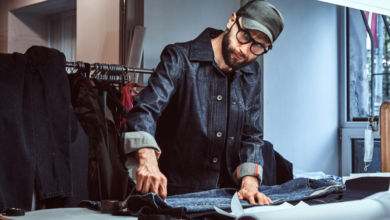
Folding is free branding. A messy shirt looks like leftovers. A neat one looks like a treat. Here is an easy way to fold a T-shirt so it sits flat and clean:
- Lay it face down on a table.
- Fold each side in toward the middle so the sleeves tuck over.
- Fold the bottom up to meet the collar.
- Flip it over. The front is smooth, with no creases.
For hoodies and jackets, fold the arms in first, then fold the body in thirds. Always place the item so the brand label is the first thing people see when they lift it out. Use the same fold every time. When every order looks alike, the brand feels dependable.
Add Tissue Paper, Ribbon, And Little Seals
Tissue paper is cheap and light, and it makes opening a box feel like unwrapping a birthday gift. Pick a color from your brand, like deep green or sunny orange, and wrap the clothes in one or two sheets.
Close the tissue with a small sticker or a paper strip with your name on it. A piece of ribbon or twine works too. Choose one style and stick with it. These touches cost pennies, yet they tell the buyer that somebody slowed down for them.
Slip In A Surprise Patch
Here is a trick that makes people grin: put a small bonus in every order. Customers love free things, and a bonus gives them a reason to post a photo of your package online.
A patch is a smart bonus because it is tiny, light, and useful. People attach custom embroidered patches with Velcro backing to caps, backpacks, and jackets, and each time they go out anywhere, your brand goes out into the world. The hook-and-loop back lets customers attach the patch and move it later, with no sewing needed. A kid can put one on a school bag in the morning and switch it to a hoodie by the weekend. Slip it inside the tissue with your logo facing up, and the surprise is ready.
If patches are not your thing, other small gifts work well too. Try a sticker sheet, a bookmark, or a postcard with a tip for caring for the clothes.
Write A Note That Sounds Human
A short note makes a package feel personal. Skip stiff lines like “Thank you for your purchase.” Try something that sounds like a real person wrote it:
- “Hi Maya, we packed this ourselves this morning. Hope it fits just right!”
- “Wash it cold and it will last for years.”
- “Show us how you wear it. We would love to see.”
Handwriting is best, but a printed card with space for a name also works. Add your website or social media name at the bottom so people can find you again. Two or three lines is plenty.
Be Kind To The Planet
Many shoppers care about waste, and your packaging can show that you care too. You can choose recycled cardboard, paper tape instead of plastic tape, and tissue made from recycled paper. Some shops even use mailers that can be composted.
Add a small line on the box that tells people how to recycle it. It also saves you money to skip extra filler, because a box that fits the clothes needs less padding.
Be honest, though. Do not call a package “eco-friendly” if it is not. Say what is true, like “This box is made from recycled paper.”
Packing Lots Of Orders Without Losing The Look
At first, you might pack five orders a week. Later, you might pack fifty in a day. That is great news for your brand, but it can make packing feel like a race. When you rush, boxes get messy, notes get skipped, and the little touches that made people smile start to disappear.
The fix is a simple packing station. Set up one table and arrange everything in the order you use it: boxes first, then tissue, stickers, notes, and bonus items. Tape a short checklist to the wall so you never have to guess. When every order follows the same steps, a busy Friday looks just like a quiet Monday.
Your bonus items need a plan too. If you tuck a small patch into every order, running out halfway through the day can throw everything off. Many growing clothing and apparel brands solve this by ordering custom clothing patches wholesale, which keeps the cost of each patch low and makes sure every one looks the same as the last. Keep them in a labeled tub at arm’s reach, and the surprise never gets skipped.
One more trick: pack a few orders at a time, not one by one. Fold five shirts, wrap five bundles, then close five boxes. Doing the same step again and again is faster, and your folds and wraps will look more even.
Test Your Package Before Customers Do
Ask a friend to open a sample package while you watch. Do they smile? Do the clothes look clean and flat? Is anything hard to open?
Shake the box gently. Drop it from table height onto a soft surface. If the clothes get squished or dirty, add a layer of paper. Then ask your friend three questions: What did you notice first? What did you like? What would you change? Small fixes now can save you from returns later.
A Simple Packing Checklist
- A box or bag that fits snugly
- Clothes folded neatly with the label showing
- Tissue paper in a brand color
- A sticker or ribbon to close it
- A bonus gift
- A short, friendly note
- Your logo on the outside
If you can check all seven, you are ready to ship.
Your Weekend Packing Challenge
Here is a small challenge. This weekend, pick one product and one box. Fold it, wrap it, add a note, and take a photo. Then show the picture to someone and ask, “Would you want to get this?”
If the answer is yes, you have already done the hardest part. If not, change one thing and try again. Packaging is like learning to ride a bike. The first try is wobbly, but each one gets smoother. Soon, opening your package will be the best part of your customer’s day.