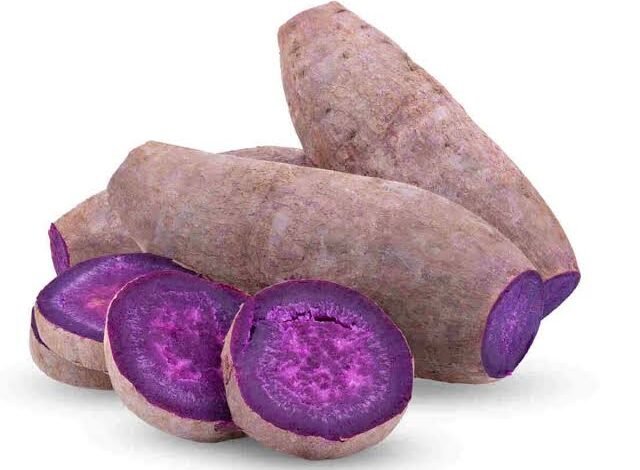
Ube powder can transform an ordinary recipe into a vibrant purple creation, but getting the measurements right makes all the difference. Too little powder produces a weak flavour and barely noticeable colour. Too much can leave cakes dry, drinks gritty and desserts with an unpleasantly dense consistency. Finding the right balance is particularly important when working with concentrated or dehydrated ingredients.
Originally from the Philippines, ube is a purple yam known for its distinctive colour and gently sweet, nutty flavour. When processed into powder, this ingredient becomes convenient for home baking, beverages and traditional Filipino desserts. However, measuring powdered ube correctly requires understanding its composition, moisture absorption and intended use. Not every product behaves identically, especially when comparing pure dehydrated yam with sweetened instant mixtures.
Think of ube powder as a concentrated ingredient that needs careful balancing, much like cocoa powder in baking. The correct quantity depends on whether you are preparing a creamy latte, fluffy cake, thick pudding or frozen dessert. A kitchen scale, appropriate liquid ratios and a few simple preparation techniques help achieve consistent results with ube while preserving its characteristic flavour and colour.
Understanding ube powder before measuring it
Accurate measurements begin with understanding what is inside the package. Pure ube comes from the purple yam, scientifically known as Dioscorea alata. Once cooked or otherwise appropriately processed and dehydrated, it can be ground into powder for culinary applications. Depending on the manufacturer, the finished ingredient may have a fine, flour-like texture or slightly coarser particles. These physical differences influence how the powder mixes with liquids and how much moisture it absorbs.
Pure dehydrated ube should not be confused with purple sweet potato powder, which comes from a different plant. Although both provide attractive purple colouring, their flavours, starch composition and behaviour in recipes can differ. Some commercial products also contain sugar, milk powder, flavourings or colouring agents. A tablespoon of sweetened ube mix is therefore not nutritionally or functionally equivalent to the same quantity of pure yam powder. Reading the ingredient label helps determine which measurements are appropriate.
When choosing ube powder for homemade recipes, consider whether the product is intended for direct mixing, rehydration or cooking. Some preparations dissolve or disperse readily in warm milk, while others require additional heating to soften starch particles and develop the desired texture. Following the manufacturer’s instructions is essential, particularly when the powder is made from raw or incompletely cooked yam. Pure ube products generally offer more control over added sugar and overall sweetness, making them useful for recipes with specific nutritional preferences.
How much ube powder should you use in different recipes?
The appropriate quantity depends on the total volume of your preparation and the intensity of flavour you want. There is no universal measurement because ube powder concentration varies between manufacturers. Nevertheless, practical starting quantities make recipe development considerably easier. For a standard drink containing approximately 250 ml of milk, around 5 to 10 grams of pure, suitably prepared ube powder may provide a noticeable flavour. A stronger mixture may require more, depending on the product.
For cakes, approximately 15 to 30 grams per 200 grams of flour can serve as an experimental starting range. These quantities are not fixed substitutions, and additional liquid may be necessary because dehydrated yam can absorb moisture. When preparing puddings or creamy desserts, begin with smaller additions and adjust gradually. Measuring ube powder by weight is generally more consistent than relying on teaspoons or tablespoons, especially when the texture of the powder changes between batches.
The following starting points can help with common preparations:
- Ube latte: 5 to 10 g per 250 ml
- Ube cake: 15 to 30 g per 200 g flour
- Ube smoothie: 5 to 10 g per serving
- Ube pudding: 10 to 20 g per 500 ml
- Ube frosting: 5 to 10 g per 250 g frosting
These figures are approximate kitchen starting points rather than guaranteed product-specific instructions. The powder’s concentration, processing and existing recipe ingredients all affect the result. When adapting a familiar dessert, begin at the lower end of the suggested range. You can increase the quantity during subsequent attempts without risking an overly dry or heavy finished product.
Choosing the right measuring method for consistent results
Using a kitchen scale instead of measuring spoons
A digital kitchen scale is one of the most reliable tools for measuring powdered ingredients. Unlike volume measurements, weight remains consistent regardless of how tightly the powder is packed into a spoon. This distinction becomes important when making delicate desserts such as sponge cakes, macarons or custards, where relatively small variations can affect texture.
Place a small bowl on the scale, reset the display to zero and add the desired quantity of powder. For recipes requiring only a few grams, a scale capable of measuring in 0.1 gram increments can offer additional precision. A standard scale displaying whole grams is usually sufficient for larger batches. Record the measurement whenever a recipe works particularly well, allowing you to reproduce the result without relying on visual estimates.
If a scale is unavailable, measuring spoons can provide a reasonable approximation. Stir the powder gently to loosen any compacted areas, fill the spoon without pressing and level the surface with a straight edge. Avoid using a heavily heaped tablespoon unless the recipe specifically requires it. The weight of a tablespoon varies with powder density, so spoon-to-gram conversions should be treated as product-specific rather than universal.
Adjusting liquid quantities when rehydrating ube powder
Rehydrating dehydrated ube is particularly useful when making fillings, thick sauces or traditional Filipino desserts. The appropriate ube powder to water ratio depends on how dry the product is and whether it contains pre-cooked starch. Some powders form a smooth paste with relatively little water, while others require considerably more liquid and additional cooking.
For a small experimental batch, combine 20 grams of suitable ube powder with approximately 40 ml of warm water, creating an initial 1:2 powder-to-water ratio by weight. Stir thoroughly and allow the mixture to hydrate according to the manufacturer’s directions. If the texture remains too thick, add more water in small increments. This is a starting experiment, not a universal reconstitution ratio.
When incorporating the hydrated paste into cakes or pastries, account for the water already added. Otherwise, the recipe may contain too much liquid. For recipes requiring cooking, ensure the mixture reaches the appropriate consistency through adequate heating rather than assuming that warm water alone makes every powdered product ready to eat. Controlling hydration helps prevent dry particles, uneven textures and inconsistent results.
Common mistakes when measuring and mixing powdered ube
One frequent mistake is adding too much powder to achieve a stronger purple colour. Natural ube can vary in shade depending on its variety, processing conditions and the other ingredients in the recipe. Adding excessive powder may increase starch content without producing the desired visual intensity. This can make baked goods dense and beverages unpleasantly thick. Natural colour variation should not automatically be interpreted as poor quality.
Another common problem involves introducing dry powder directly into a large quantity of cold liquid. Fine particles can gather into lumps, creating uneven distribution. A more effective technique is to mix the measured powder with a small amount of liquid until smooth, following the product’s preparation instructions. The resulting mixture can be incorporated gradually into the remaining ingredients. Gentle whisking helps maintain a uniform consistency.
Temperature also matters. Some processed ube powders disperse adequately in warm liquids, whereas products containing starch that has not been fully gelatinised may need cooking. Extremely high temperatures or prolonged heating can also affect colour and flavour. When preparing delicate recipes, follow the recommended cooking conditions and avoid unnecessary overheating.
Finally, remember that ube powder is not automatically interchangeable with ube extract. Extracts are typically used in much smaller quantities because they provide concentrated flavour or colouring rather than the bulk and starch contributed by dried yam. Substituting one directly for the other can substantially change the outcome. Whenever possible, adapt a recipe specifically developed for the type of ube ingredient you own.
Making balanced ube recipes without unnecessary sugar
Ube offers an appealing way to introduce variety into homemade desserts, but its natural composition should be distinguished from the nutritional profile of finished products. Pure ube contains carbohydrate, including starch, while its exact fibre and micronutrient content depends on processing. An ube latte prepared with unsweetened milk will have a different nutritional profile from one made with condensed milk, flavoured syrup and sweetened instant powder.
For a balanced drink, start with approximately 5 grams of appropriately prepared pure ube powder and 200 to 250 ml of milk or an unsweetened plant-based alternative. Adjust the amount according to the manufacturer’s directions and your taste preferences. Cinnamon, vanilla or a modest quantity of sweetener can complement the yam’s flavour without overwhelming it. Remember that a homemade drink’s nutritional value depends on all its ingredients, not simply the presence of ube.
In baking, ube combines well with coconut, vanilla and dairy-based ingredients. Instead of increasing the powder indefinitely, improve flavour balance through thoughtful ingredient combinations. If sweetness needs adjusting, consider reducing added sugar gradually rather than making dramatic substitutions that could compromise cake structure. Fat, sugar, eggs and starch all contribute to texture, making recipe proportions especially important.
Although purple yams contain naturally occurring plant pigments, there is insufficient evidence that consuming powdered ube alone produces specific medical benefits. Treat it as a versatile culinary ingredient rather than a treatment or weight-management solution. Portion control and dietary variety remain more meaningful nutritional considerations than the colour of a single food.
Storing and measuring ube powder for future recipes
Proper storage can help maintain the quality of powdered ube between uses. Keep the container tightly sealed in a cool, dry environment, away from direct sunlight and sources of moisture. Humidity encourages clumping and may compromise the powder’s shelf stability. Always follow the storage recommendations printed on the packaging, particularly if the product requires refrigeration after opening.
When preparing recipes regularly, maintain a simple record of the quantities used, the liquid ratio, the mixing method and the final result. This is especially helpful when experimenting with different brands or adjusting recipes for larger groups. A successful small batch does not always scale perfectly, since cooking times, heat distribution and evaporation can change with volume.
Check the powder before use for unusual odours, visible mould, moisture damage or other signs of deterioration. Do not attempt to salvage a product that appears spoiled. If the powder has formed harmless dry clumps but remains within its stated storage conditions, these can sometimes be broken apart before measuring, depending on the manufacturer’s advice.
Accurate measurements are the foundation of successful ube recipes. Begin with a modest quantity, weigh the powder whenever possible and adjust the liquid according to its processing characteristics. With a little experimentation, powdered ube can become a dependable ingredient for colourful cakes, creamy drinks and desserts that balance flavour, texture and nutritional preferences.